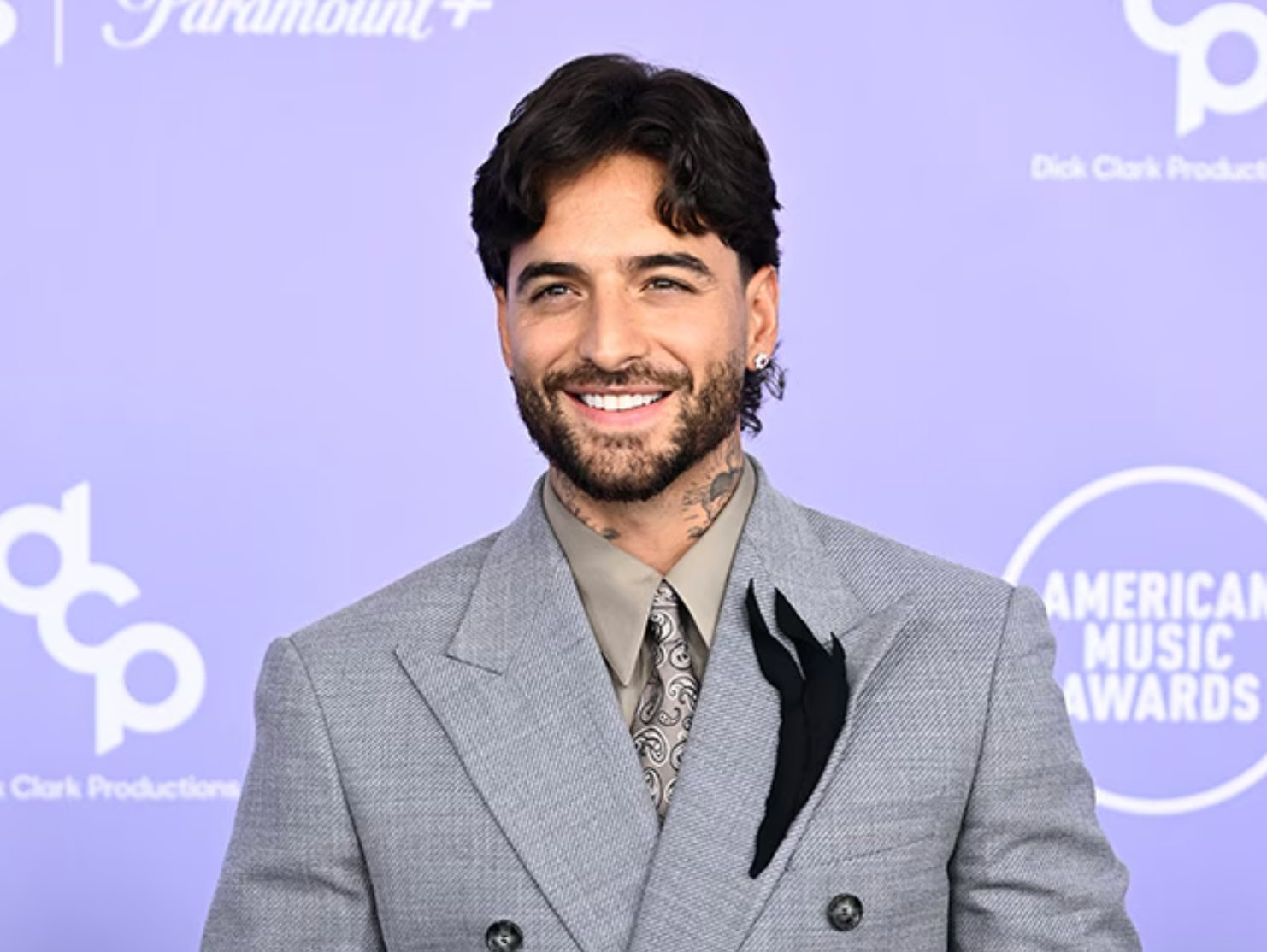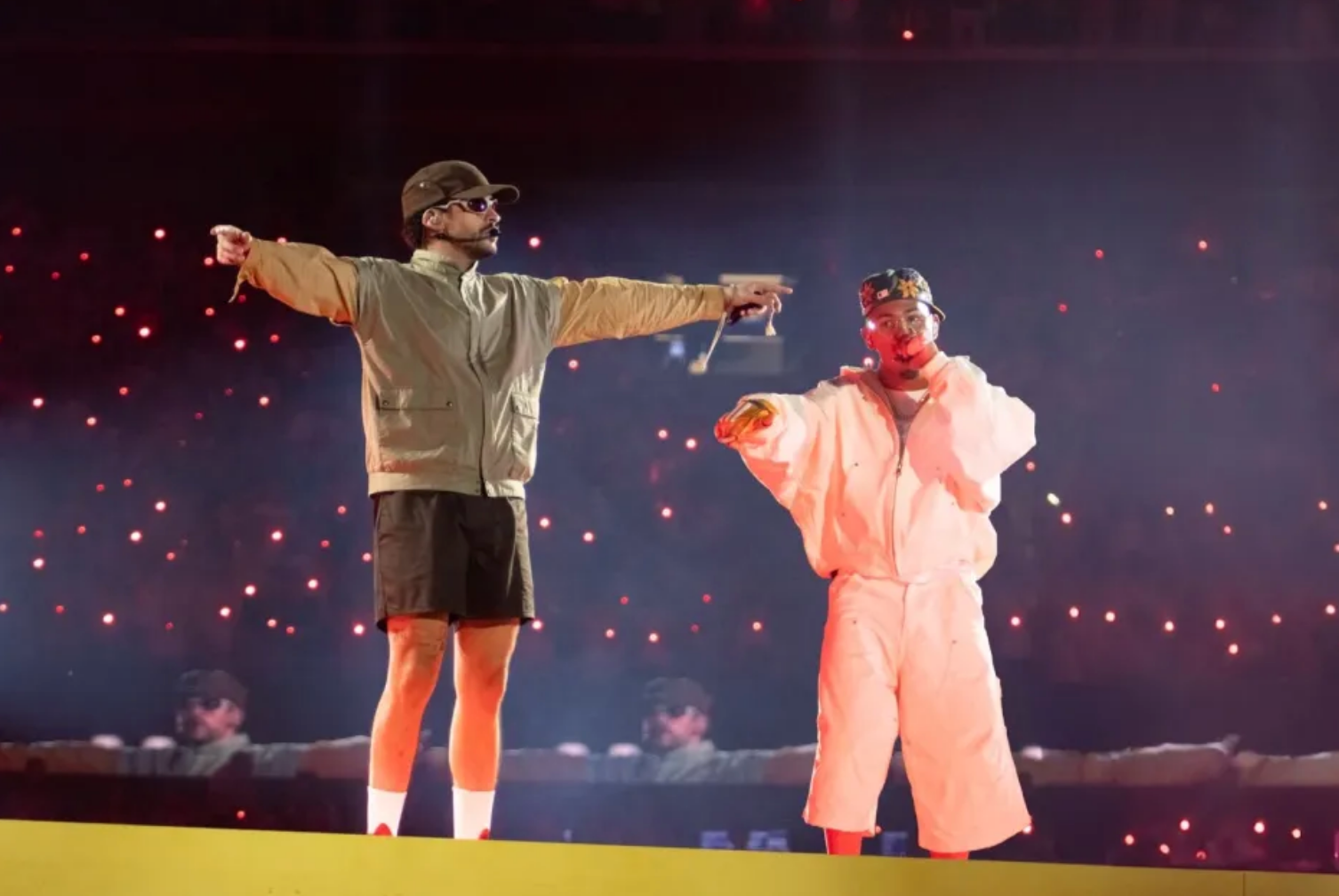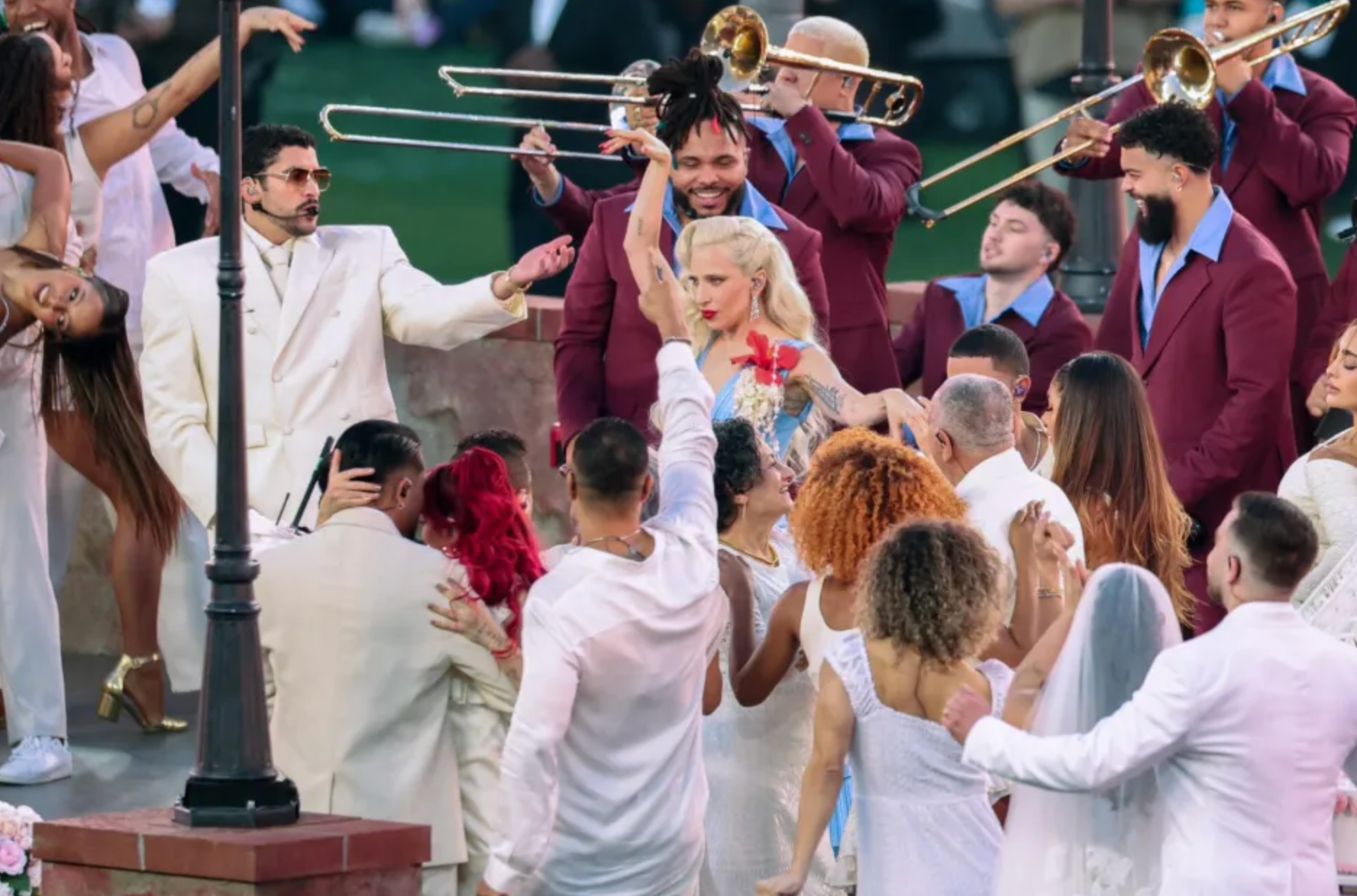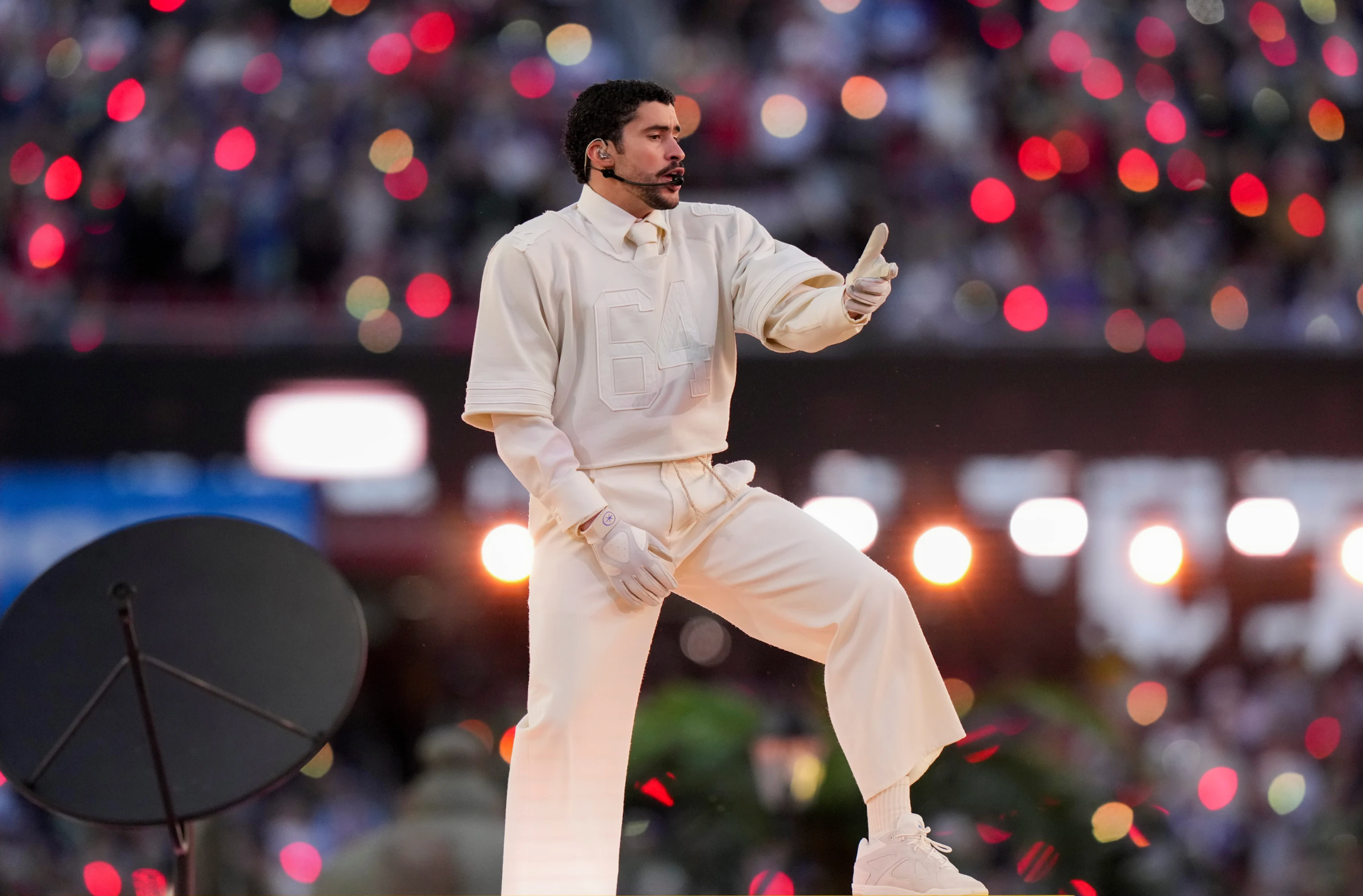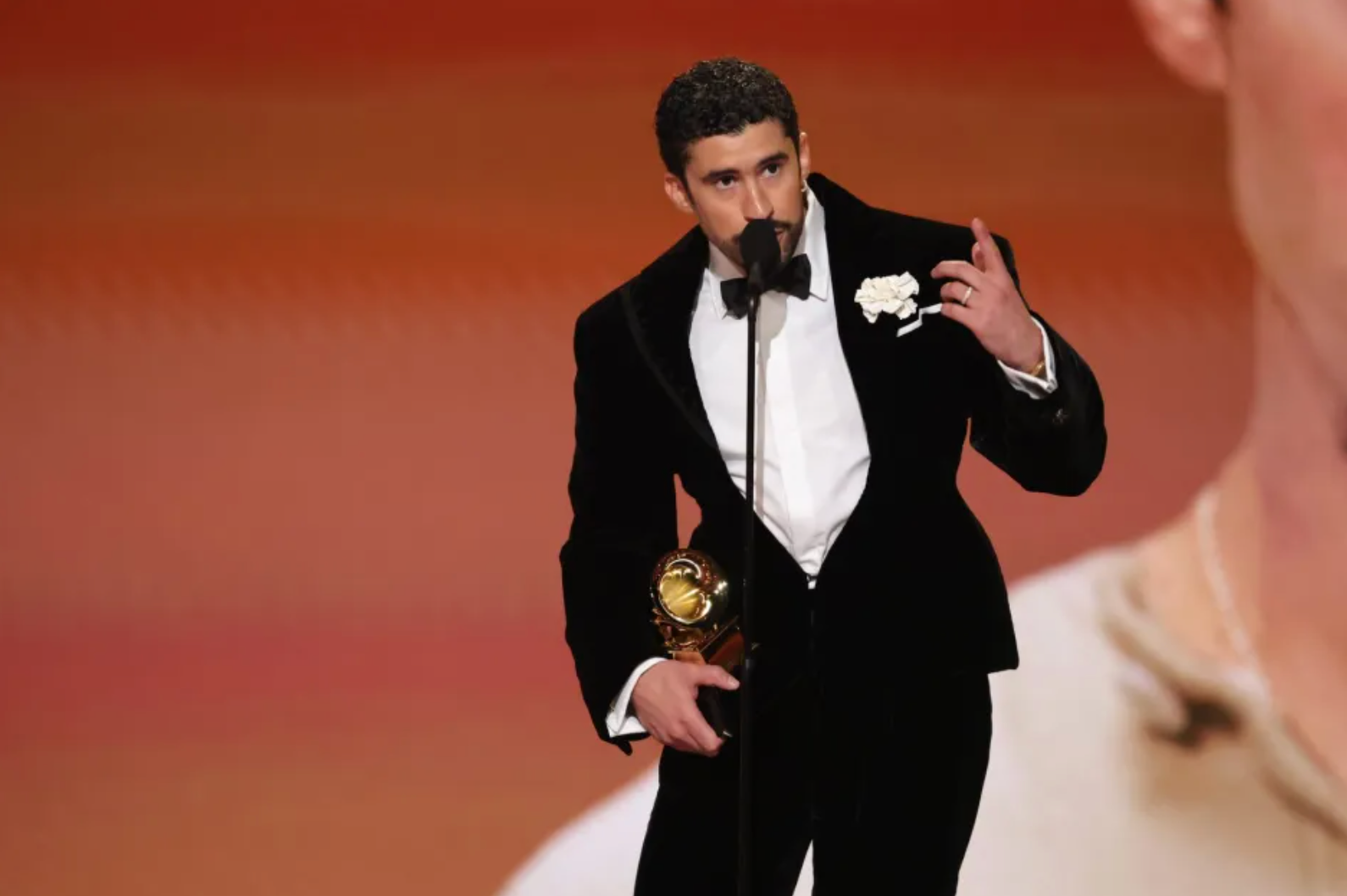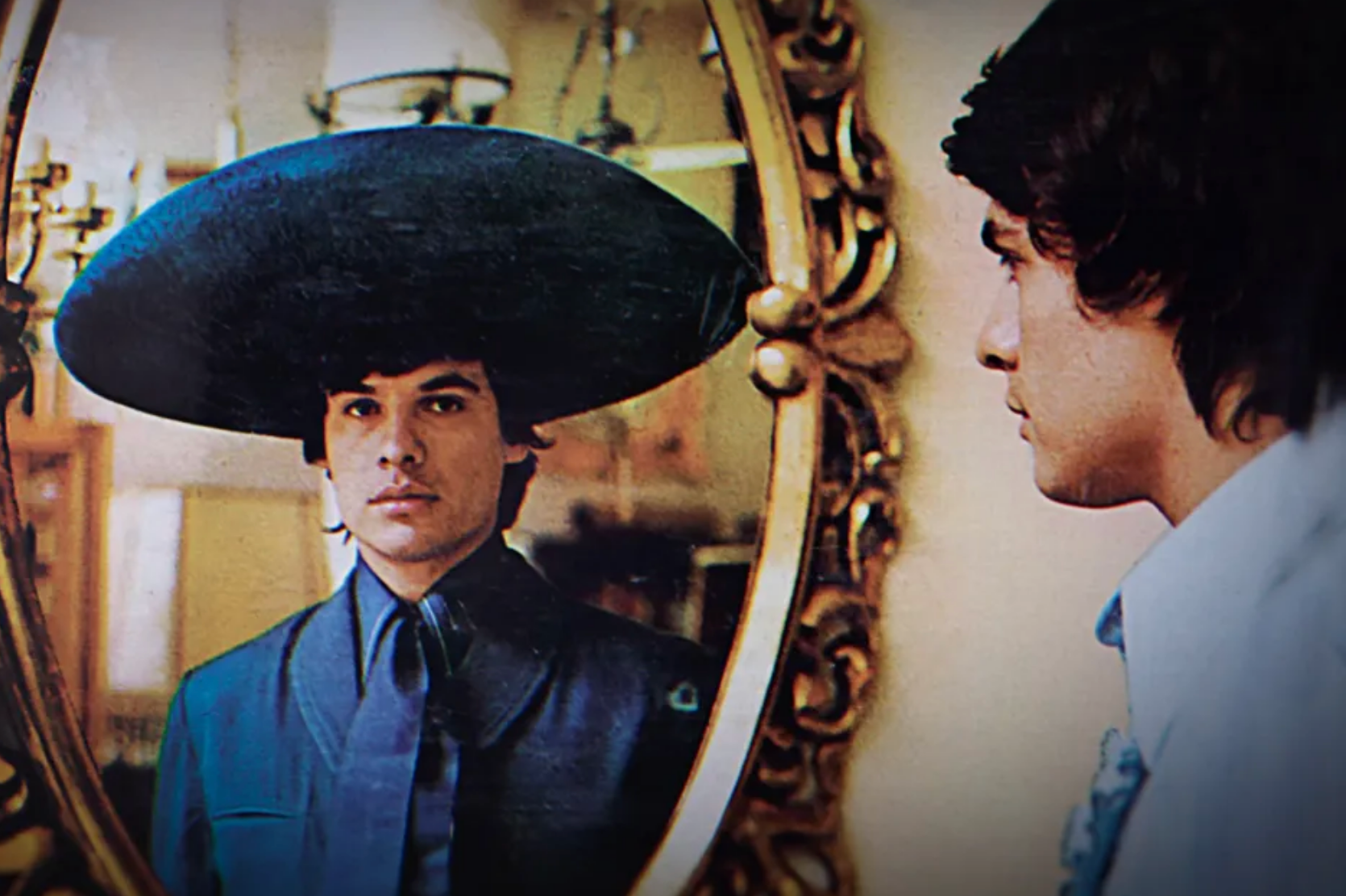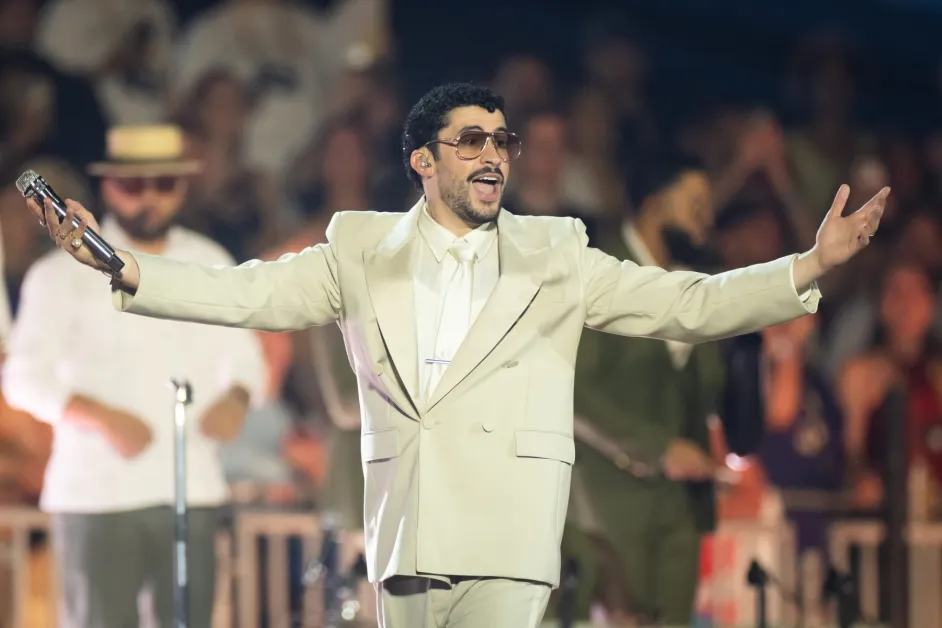
Bad Bunny has secured an important victory in one of the music industry’s most closely watched copyright disputes, after a federal judge reconsidered an earlier decision in a sweeping lawsuit challenging the origins of reggaeton’s signature dembow rhythm.
U.S. District Judge André Birotte Jr. reversed course this week after previously ruling that a jury should determine whether the rhythmic elements claimed by Jamaican production duo Steely & Clevie were sufficiently original to receive copyright protection. The lawsuit has targeted Bad Bunny and numerous other major artists over the use of rhythmic patterns heard throughout modern reggaeton.
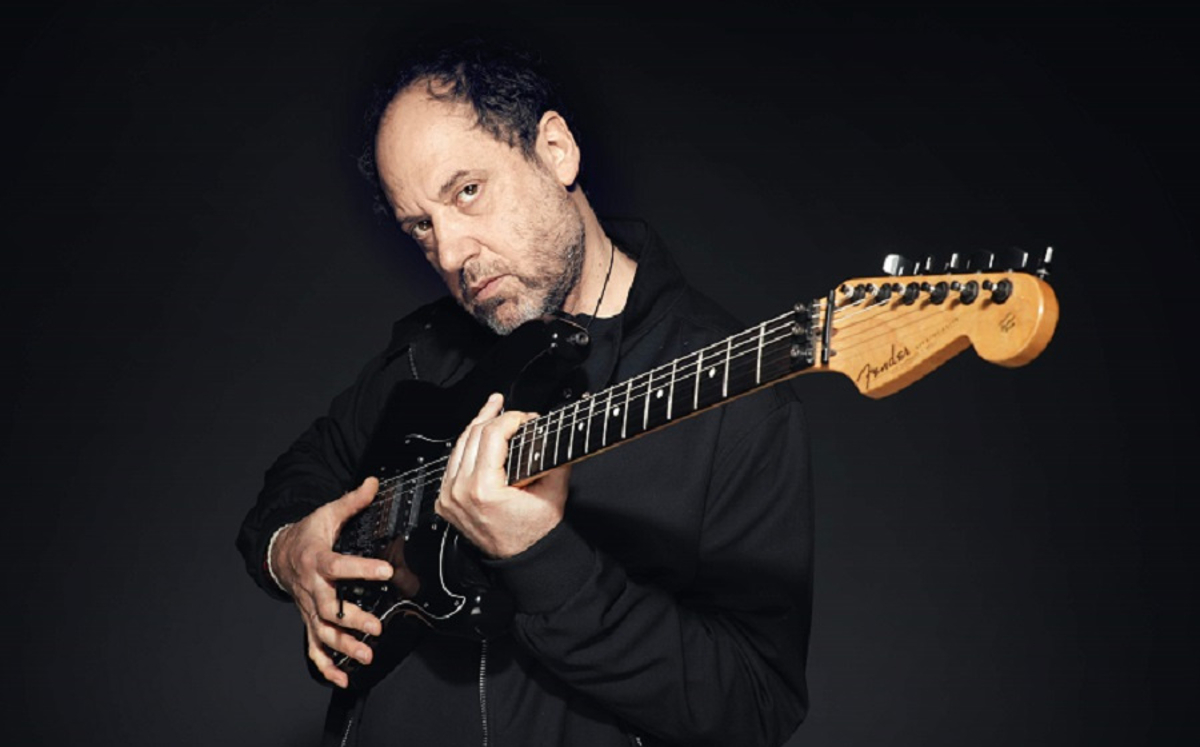
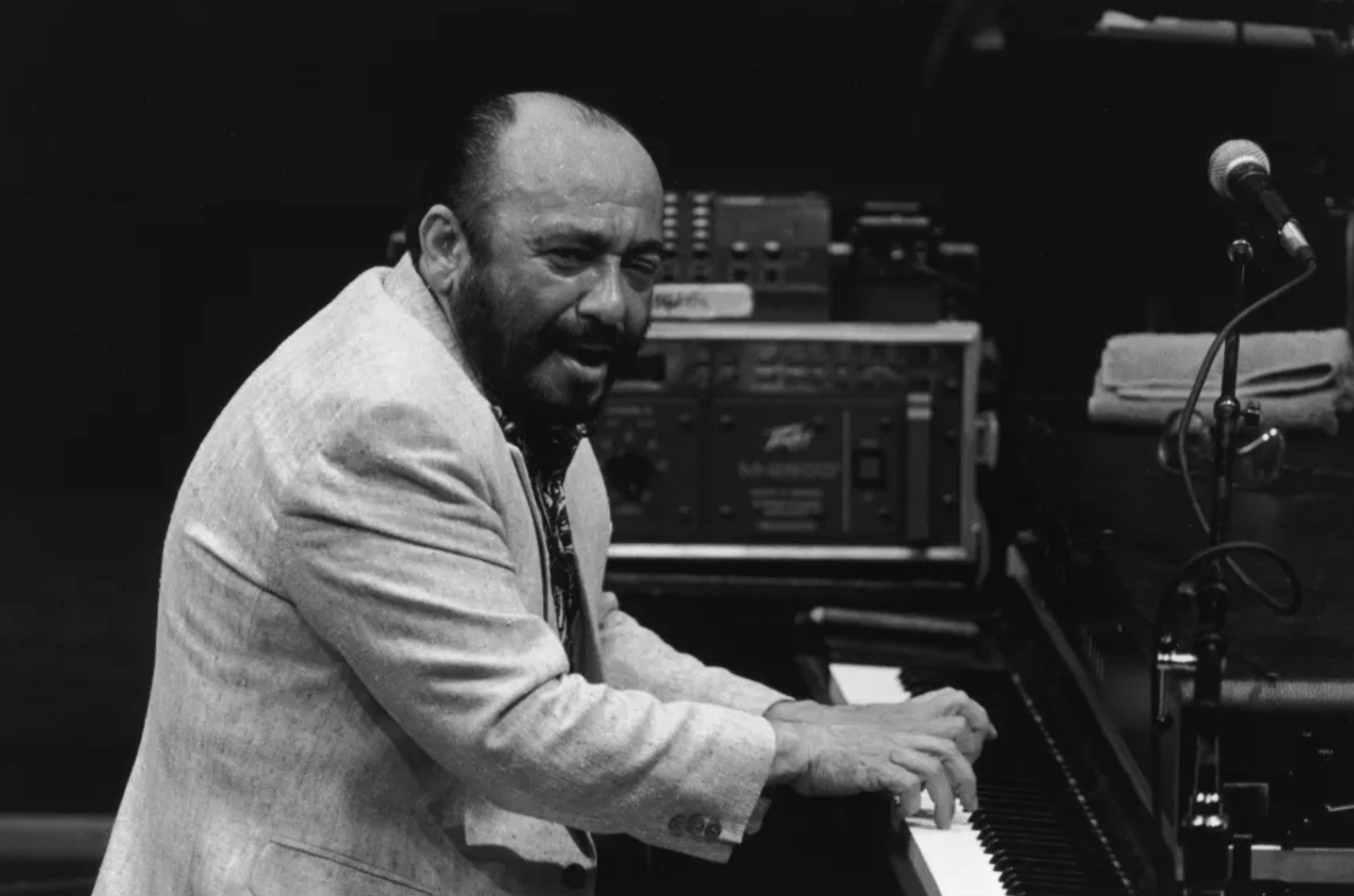
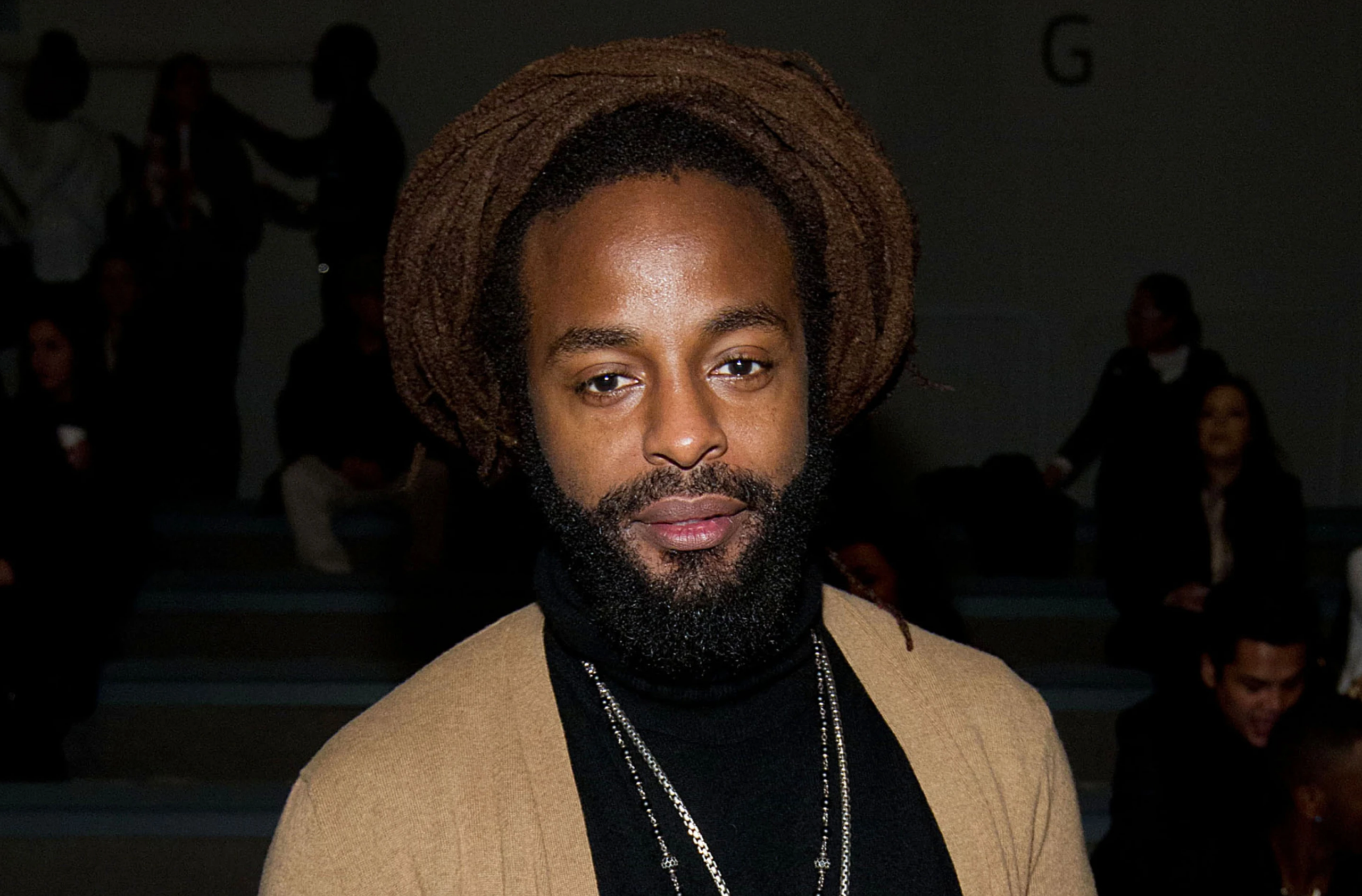
The case centers on Cleveland “Clevie” Browne and the estate of the late Wycliffe “Steely” Johnson, who argue that their 1989 track “Fish Market” helped establish the musical pattern that later became widely associated with dembow and reggaeton.
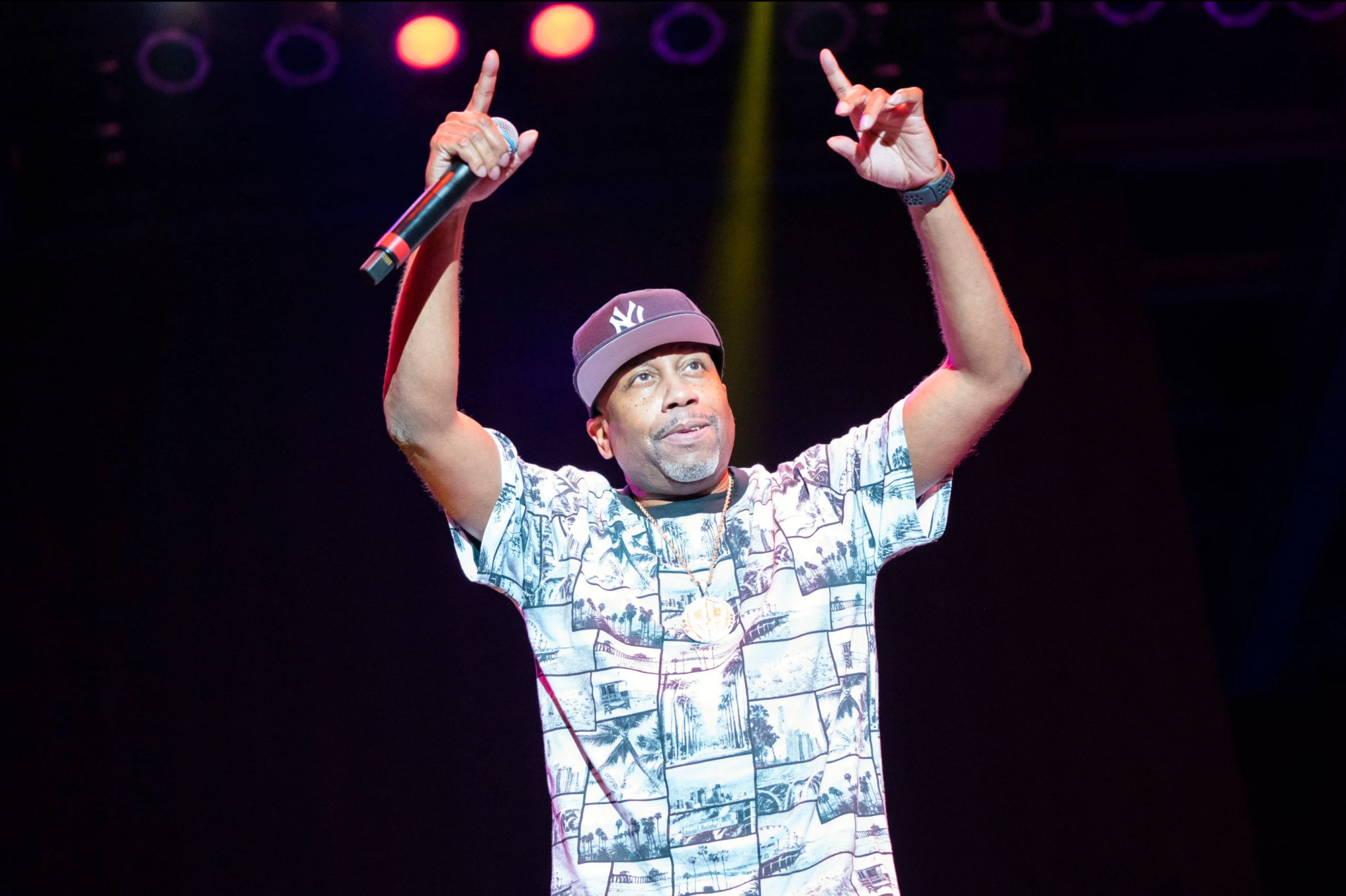
Their claims have potentially far-reaching consequences. The litigation has involved more than 150 artists and allegations concerning a vast catalog of songs, with names including Bad Bunny, Karol G, Daddy Yankee, J Balvin, Drake, Pitbull and others appearing in the broader dispute.
Judge Reconsiders Earlier Decision
In July, Judge Birotte declined to resolve a key question in favor of either side, determining that competing expert testimony created factual disputes that should ultimately be considered by a jury.
Bad Bunny and Rimas Entertainment subsequently asked the court to reconsider that decision, arguing that the plaintiffs had failed to identify one specific copyrighted work containing the complete musical combination they claimed had been illegally copied.
That argument ultimately persuaded the court.
In the new ruling, Birotte concluded that the plaintiffs had not clearly established which copyrighted work contained the particular “selection and arrangement” of musical elements they were seeking to protect.
The issue is significant because the disputed elements appeared to have been drawn from multiple compositions rather than from one clearly identified copyrighted work. Bad Bunny’s attorneys had characterized that approach as effectively creating a copyright claim by combining elements from separate songs.
The decision represents a substantial shift from the judge’s earlier position and gives Bad Bunny and Rimas an important advantage as the sprawling litigation moves forward.
A Case With Implications Beyond Bad Bunny
The legal battle has attracted widespread attention because its consequences could extend far beyond any individual artist.
Dembow’s recognizable rhythmic structure has served as one of the foundations of reggaeton for decades. If a court were to grant broad copyright protection over such a fundamental musical pattern, it could potentially affect thousands of recordings and reshape how producers, labels and artists approach one of Latin music’s most influential genres.
Defendants in the case have argued that allowing exclusive ownership over the rhythm could effectively give private copyright control over a basic component of an entire genre.
The plaintiffs, meanwhile, maintain that their work contains an original combination of musical elements deserving copyright protection.
The dispute highlights a difficult question that has repeatedly surfaced in music copyright cases: where does legally protected creative expression end and the shared musical vocabulary of a genre begin?
A Significant Win for Reggaeton’s Biggest Star
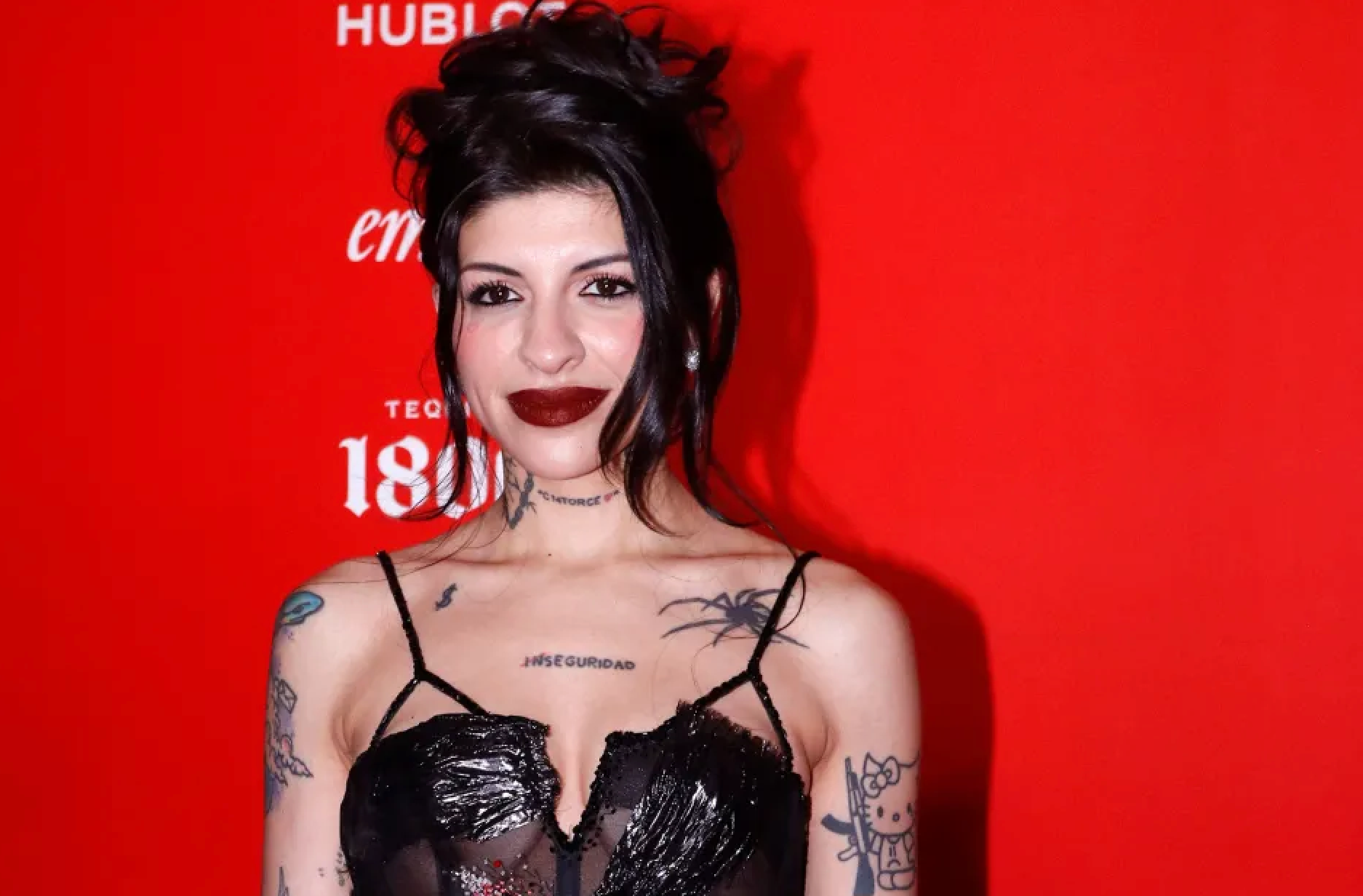
For Bad Bunny, whose real name is Benito Antonio Martínez Ocasio, the latest ruling represents more than an individual legal victory. As one of the world’s most prominent reggaeton artists, his challenge has become closely connected to a broader defense of the genre’s creative traditions.
The ruling does not necessarily resolve every issue contained within the years-long litigation, but it significantly weakens a central component of the plaintiffs’ case.
It could also become an important development for the many artists, producers and record companies whose songs have been pulled into the dispute.
For an industry built in part on rhythmic traditions passed between generations, countries and producers, the court’s latest decision could ultimately help define how far copyright protection can extend when the disputed material is not simply a melody or lyric — but the heartbeat of a musical genre.