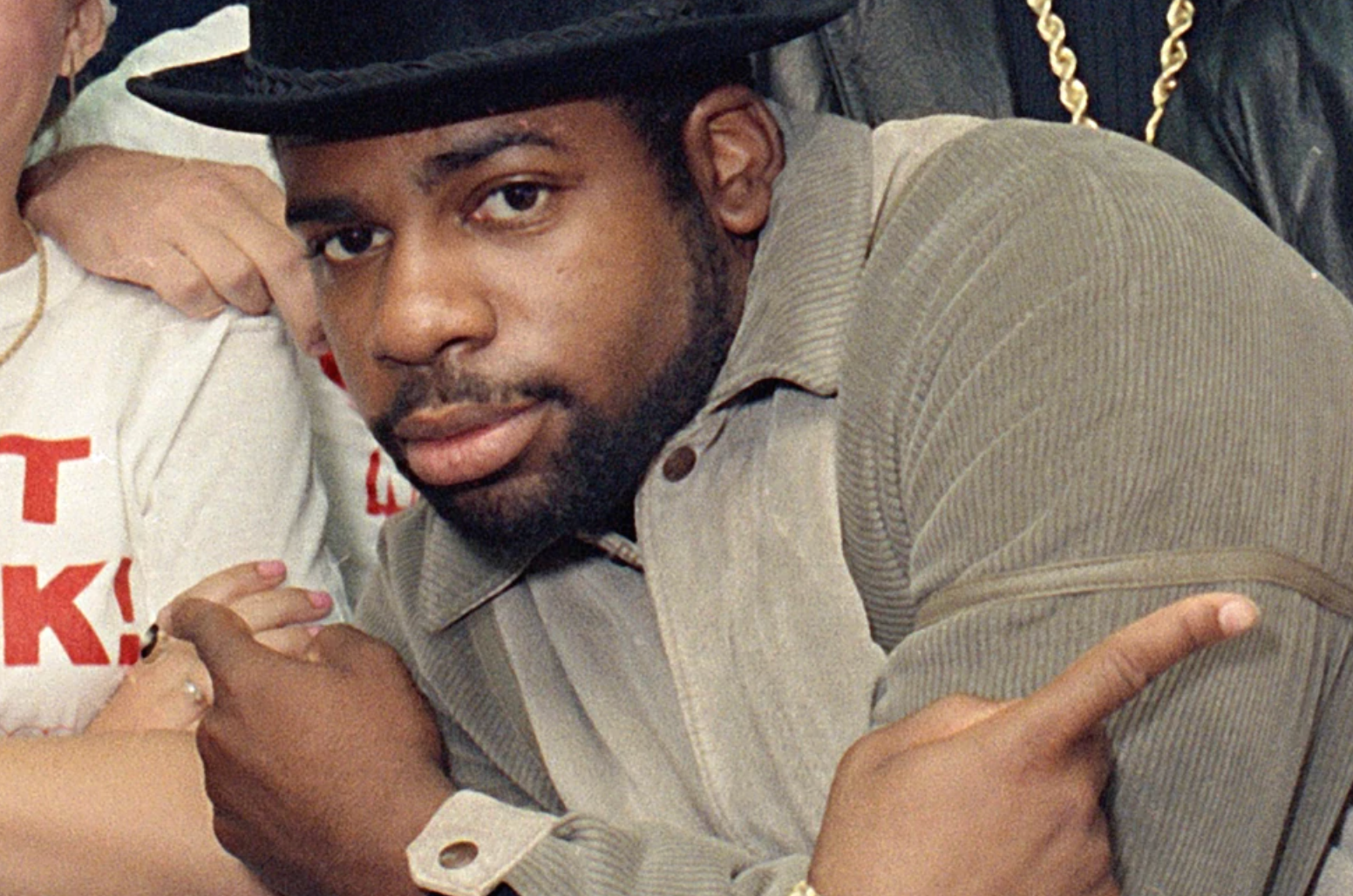
Nearly three decades after the fatal shooting of Tupac Shakur in Las Vegas, the long-running mystery surrounding the hip-hop icon’s death is now at the center of a courtroom battle over what is fact — and what is fiction.
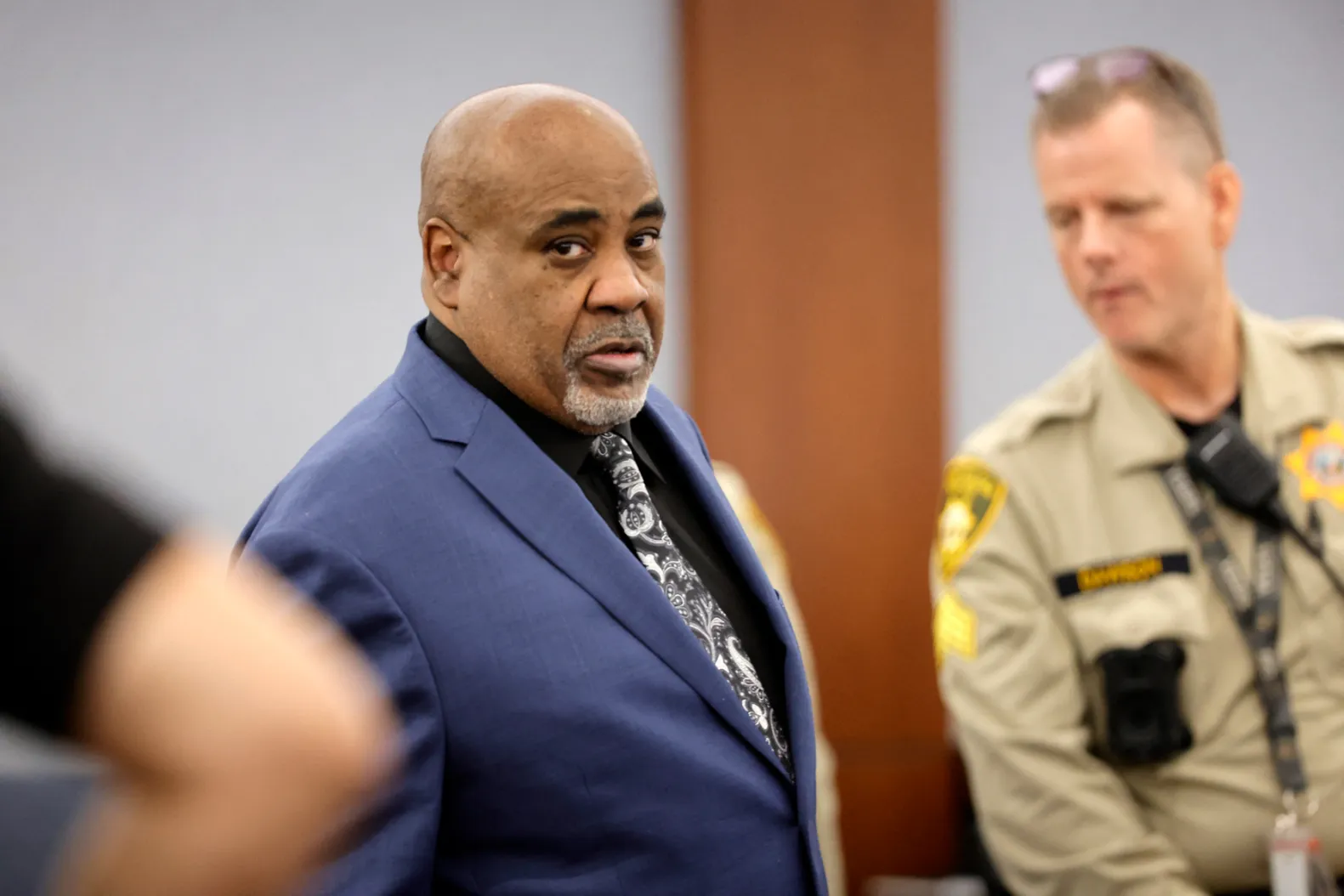
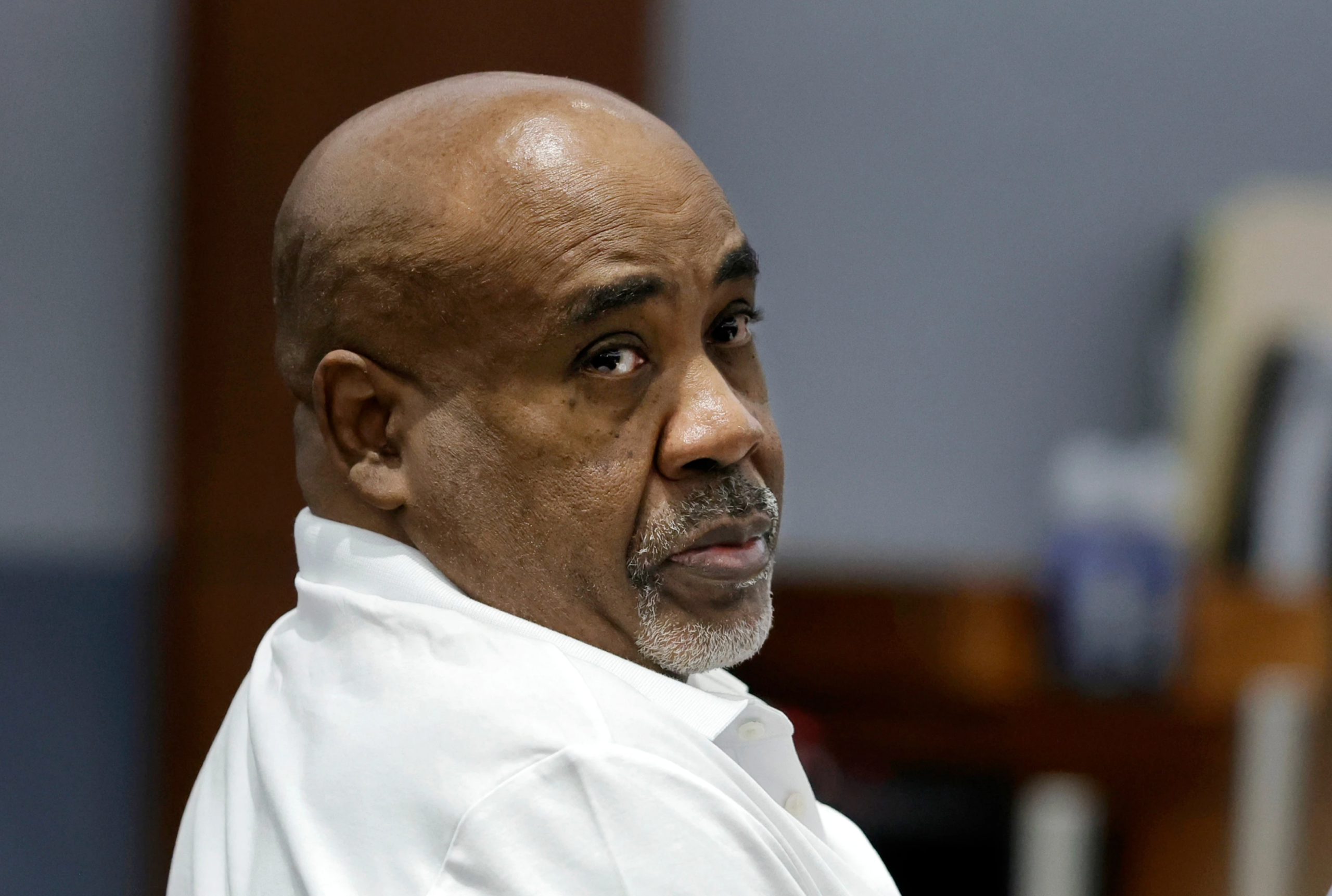
Duane “Keffe D” Davis, 63, is standing trial in Las Vegas in connection with Shakur’s 1996 killing. Prosecutors allege that Davis helped plan the shooting as retaliation following a violent confrontation involving his nephew, Orlando “Baby Lane” Anderson, and members of Shakur’s entourage.
Davis has pleaded not guilty. If convicted of murder with a deadly weapon with the intent to promote, further or assist a criminal gang, he could face life in prison.
Prosecutors Point to Davis’ Own Words
During opening statements Monday, Chief Deputy District Attorney Binu Palal told jurors that prosecutors are not alleging Davis personally fired the shots that killed Shakur.
“Duane Davis did not pull the trigger,” Palal told the jury, according to the Associated Press. Instead, prosecutors contend that Davis helped organize the attack after his nephew was beaten at the MGM Grand following a boxing match on Sept. 7, 1996.
The prosecution showed jurors footage of Shakur’s entourage attacking Anderson inside the casino. According to Palal, Davis then spent approximately two hours planning retaliation, ultimately leading to the drive-by shooting that night.
Shakur was riding in a black BMW with Death Row Records co-founder Marion “Suge” Knight when a white Cadillac pulled alongside the vehicle near the Las Vegas Strip and gunfire erupted. Shakur was struck multiple times and died six days later, on Sept. 13, 1996. He was 25.
Defense Calls the Case “Fiction”
Davis’ defense is challenging the prosecution’s version of events, describing its narrative during opening statements as “fiction.”
That dispute could become one of the defining issues of the trial: whether Davis’ previous public and private statements can be treated as reliable evidence of his involvement or whether they were exaggerated, inconsistent or made for other purposes.
For years, Davis has spoken about the Shakur shooting in interviews and other public settings, making him an unusual figure in a case historically defined by silence, speculation and unanswered questions.
Prosecutors are now attempting to use those statements to establish his role in the events surrounding the killing.
A 2008 Interview Could Become Crucial
Among the statements expected to receive significant attention is a 2008 interview Davis gave to a federal task force investigating the killing of another hip-hop legend, Christopher Wallace, better known as The Notorious B.I.G.
During that interview, Davis discussed the Shakur shooting and described being inside the white Cadillac involved in the attack. He also described handing a gun to men seated in the back of the vehicle before shots were fired at the BMW carrying Shakur and Knight.
The prosecution argues that Davis’ own accounts help connect him to the planning and execution of the attack, even though authorities do not accuse him of being the gunman.
The defense, however, is expected to challenge how those statements should be interpreted and whether they can establish criminal responsibility beyond a reasonable doubt.
Nearly 30 Years of Questions
Shakur’s murder has remained one of the most infamous unsolved cases in music history. The lack of an arrest for decades fueled countless theories, documentaries, books and debates about what happened that night in Las Vegas.
Davis’ arrest dramatically changed the trajectory of the case, creating the possibility that a jury could finally determine criminal responsibility nearly 30 years after the shooting.
The trial also revisits one of the most turbulent periods in hip-hop history, when tensions surrounding artists, record labels and rival groups often extended far beyond music.
Tupac’s Legacy Remains Larger Than the Case
Despite his death at just 25, Tupac Shakur remains one of the most influential artists in hip-hop history.
His music explored race, poverty, violence, social injustice, ambition, vulnerability and life in America, helping establish a body of work that continues to resonate with new generations.
Shakur was inducted into the Rock & Roll Hall of Fame in 2017, more than two decades after his death, and his influence continues to be felt throughout music and popular culture.
Now, as Davis’ trial unfolds in Las Vegas, jurors face the difficult task of separating decades of stories, statements and mythology from evidence that can be proven in court.
For hip-hop, the proceedings represent something even larger: a rare legal reckoning with a tragedy that has remained part of the culture’s collective memory for nearly three decades.