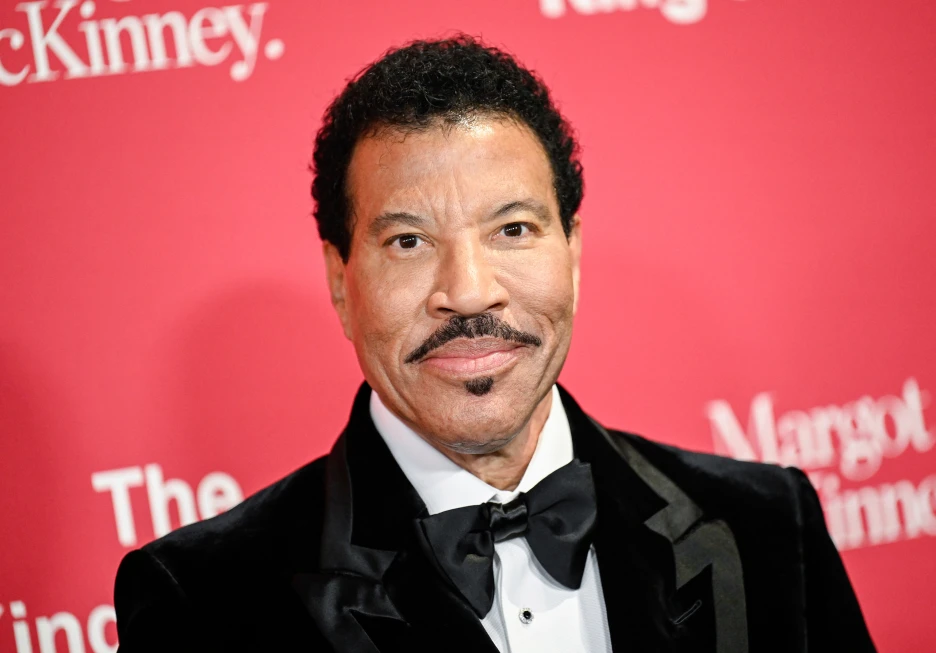
Hollywood star and environmental advocate Leonardo DiCaprio has joined forces with Amazon founder Jeff Bezos to launch one of the most ambitious wildlife conservation efforts ever undertaken. Together, the Re:wild organization and the Bezos Earth Fund have unveiled the Phoenix Species Project, a groundbreaking $200 million initiative dedicated to protecting and restoring 100 of the world’s most threatened species.
Announced on Tuesday, the initiative represents the largest single conservation fund in history focused exclusively on preventing the extinction of critically endangered animals and rebuilding their populations.
A Global Effort to Reverse Extinction
For years, DiCaprio has used his platform to raise awareness about biodiversity loss and the devastating effects of climate change on wildlife. His vision for a large-scale global conservation effort began to take shape in 2021 when he and Re:wild co-founder and CEO Dr. Wes Sechrest met with Jeff Bezos and Lauren Sánchez Bezos, who serve as chair and vice chair of the Bezos Earth Fund.
That initial meeting sparked years of collaboration involving governments, conservation organizations, scientists, and Indigenous communities around the world. The result is the Phoenix Species Project, an initiative designed not only to prevent extinction but also to create long-term recovery strategies for species facing imminent disappearance.
100 Species, One Mission
The project will support conservation efforts for some of the planet’s rarest and most vulnerable animals, many of which survive only in isolated ecosystems.
Among the species receiving protection are:
- The golden-crowned sifaka, a critically endangered lemur found only in Madagascar.
- The Hickory Nut Gorge green salamander, a rare lungless salamander native to a small canyon in North Carolina.
- The Visayan warty pig, endemic to the Philippine islands.
- Mexico’s Cozumel harvest mouse, found exclusively on Cozumel Island.
- The pink land iguana, which inhabits only Wolf Volcano in Ecuador’s Galápagos Islands.
- The Malayan pangolin, one of the world’s most trafficked mammals.
- Tanzania’s pancake tortoise, recognized for its unusually flat and flexible shell.
- Colombia’s starry night harlequin toad, known for its striking black-and-white coloration.
- Attenborough’s long-beaked echidna, the rare egg-laying mammal from New Guinea named after legendary naturalist Sir David Attenborough.
Beyond Emergency Conservation
Unlike many short-term conservation grants, the Phoenix Species Project aims to provide sustained funding, scientific expertise, and international collaboration that allow successful local programs to grow into long-term recovery models.
By investing in local conservation organizations and empowering communities already protecting these species, the initiative hopes to create lasting ecological impact while strengthening biodiversity across some of the world’s most fragile ecosystems.
“This funding, this global platform and technical support change what is possible,” said Tiana Andriamanana, Executive Director of Association Fanamby, one of the organizations receiving support. Her team has spent years protecting Madagascar’s golden-crowned sifaka despite limited financial resources.
A New Chapter for Wildlife Conservation
The launch of the Phoenix Species Project reflects a growing recognition that biodiversity loss is one of the defining environmental challenges of our time. Scientists estimate that nearly one million species are currently at risk of extinction due to habitat destruction, climate change, pollution, and illegal wildlife trade.
With a $200 million commitment and partnerships spanning multiple continents, DiCaprio and Bezos hope the initiative becomes a catalyst for global conservation efforts, proving that large-scale collaboration can help reverse the decline of Earth’s most endangered wildlife before it is too late.
As environmental challenges continue to intensify, the Phoenix Species Project sends a powerful message: protecting biodiversity is not only about saving individual species—it is about preserving the ecosystems that sustain life on our planet.
By Tu Ritmo
Photo by Ian West/PA Images via Getty